



Spider Solitaire history is easier to understand when you look at the suits. A one-suit deal feels almost like a calm sorting exercise. A four-suit deal can turn the same descending run into a problem about traffic, parking, and timing.
That range is one reason Spider lasted on computer screens. The game could welcome a beginner with one suit, then keep a returning player busy with two or four. The layout stayed recognizable while the pressure changed underneath it.
Spider Solitaire history starts with a different kind of solitaire
Spider uses eight tableau columns. The player builds cards downward from king to ace, deals new rows from the stock, and tries to remove complete same-suit runs from the table. Microsoft describes the modern collection in those simple terms: eight columns wait to be cleared with as few moves as possible.
The important detail is that a descending sequence can contain mixed suits, especially in multi-suit versions. A mixed run may be movable in part, but it is not a finished run that can leave the table. The player is always balancing two goals: make the cards move, and make them become cleaner.
This gives Spider a different feel from ordinary Klondike Solitaire. In Klondike, a card often helps because it can be placed on an opposite-color rank. In Spider, a card may be legally useful while still making the suit structure worse. The board can look more open and become harder to repair at the same time.
The rules are not difficult to learn. The decisions are what keep the game alive.
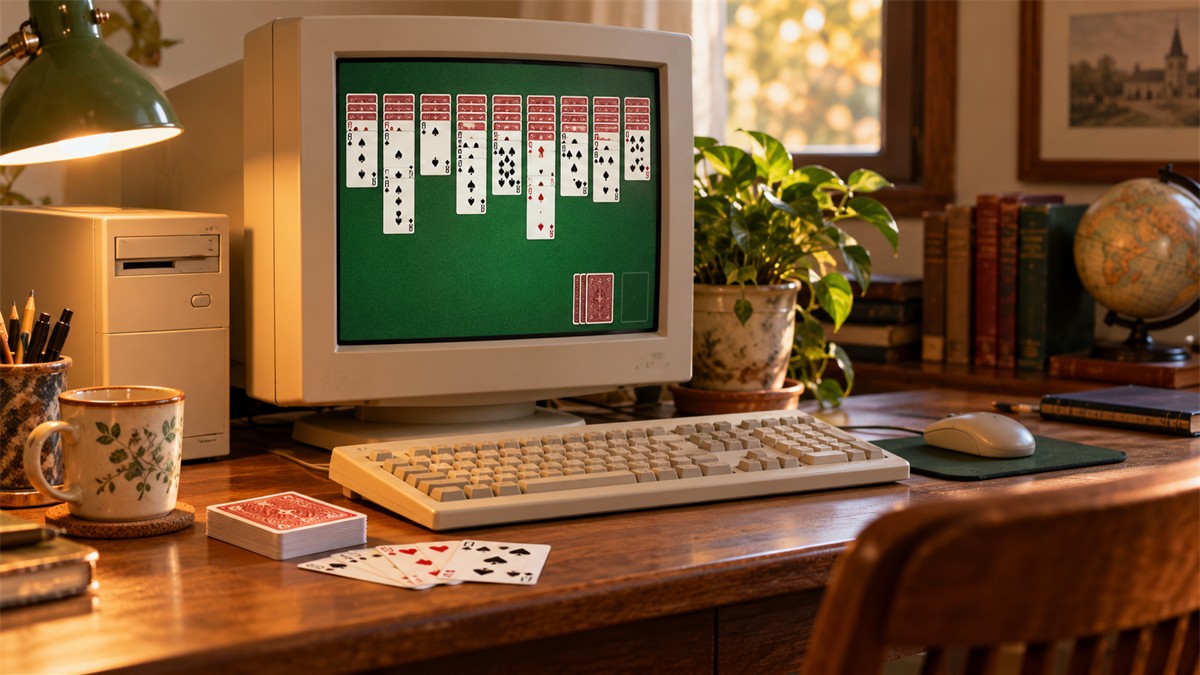
How Spider Solitaire history reached the Windows screen
Spider did not need to wait for the internet to become a digital game. Reference histories of the software version trace an early implementation to the Microsoft Plus! 98 addition pack for Windows 98, followed by inclusion in later Windows versions. The [history of Spider Solitaire](https://en.wikipedia.org/wiki/Spider_(solitaire)) records that software path and distinguishes it from the older family of solitaire and patience games.
The Windows setting changed the audience. A physical double-deck game needs table space, a shuffle, and a patient setup. A computer version can deal eight columns instantly, remember the rules, and let the player try another deal without gathering cards from the floor.
It also made the different suit levels visible to more people. A player could start with one suit, notice the basic descending pattern, and then try two suits when the easy version stopped feeling mysterious. The screen turned difficulty into a menu choice rather than a new game to buy.
Microsoft's [Solitaire Collection guide](https://zone.msn.com/en/games/mssolitairecollection?source=wgp) still presents Spider alongside Klondike, FreeCell, Pyramid, and TriPeaks. That placement says something about digital distribution. Spider became part of a familiar shelf of card games, so players could move toward it without leaving the wider Solitaire family.
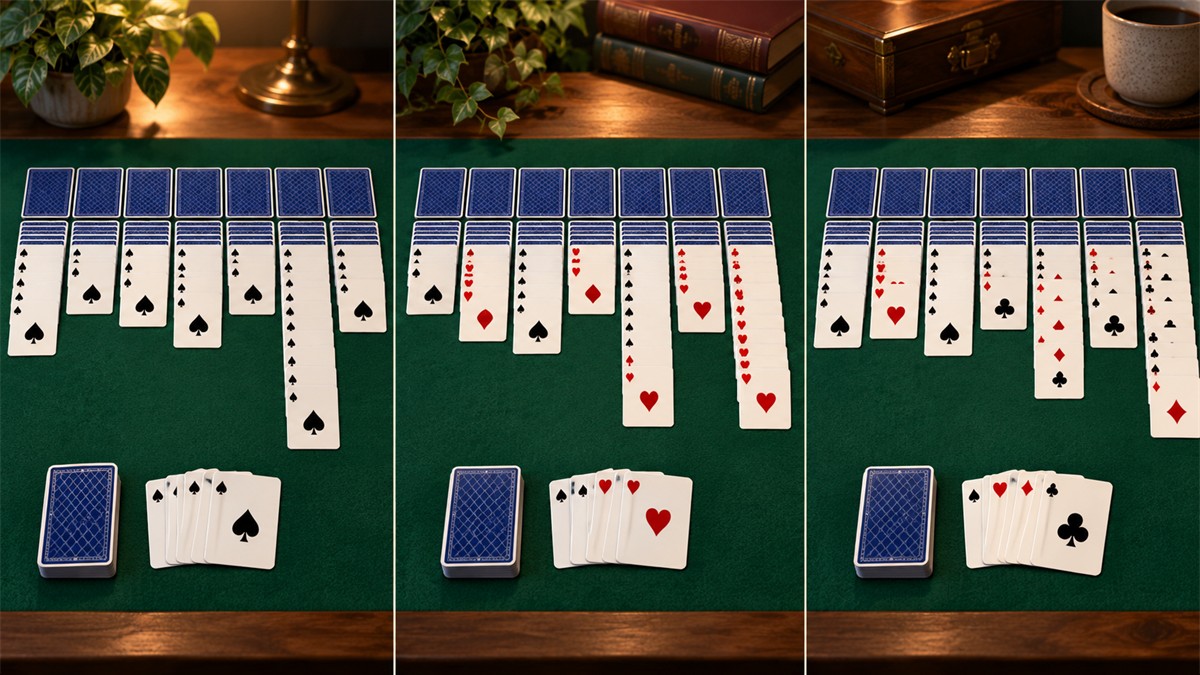
One suit, two suits, and four suits are different moods
The suit count is not a cosmetic setting. It changes what a good move looks like.
With one suit, every descending sequence is structurally compatible. The main questions are when to uncover hidden cards, when to fill an empty column, and when to deal a new row. This is a good level for learning the board's rhythm because the suit does not interrupt every transfer.
Two suits add a second layer. You can still build descending sequences across suits, but a clean same-suit run is now valuable. A mixed stack may be a temporary bridge. It may also become a tall wall that hides the card you need. The player begins to ask not only whether a stack can move, but whether the move helps one suit become complete.
Four suits expose the full problem. A long descending stack may look impressive and still be difficult to relocate. Empty columns become workspaces that must be protected. A stock deal can repair the board or bury the one card that would have made a clean run possible.
This is why it helps to choose a level by mood. One suit is useful when you want to learn patterns or finish a short break. Two suits give more room for planning. Four suits are for the days when the messy parts of the board are part of the attraction.
Spider Solitaire history and the lesson of the empty column
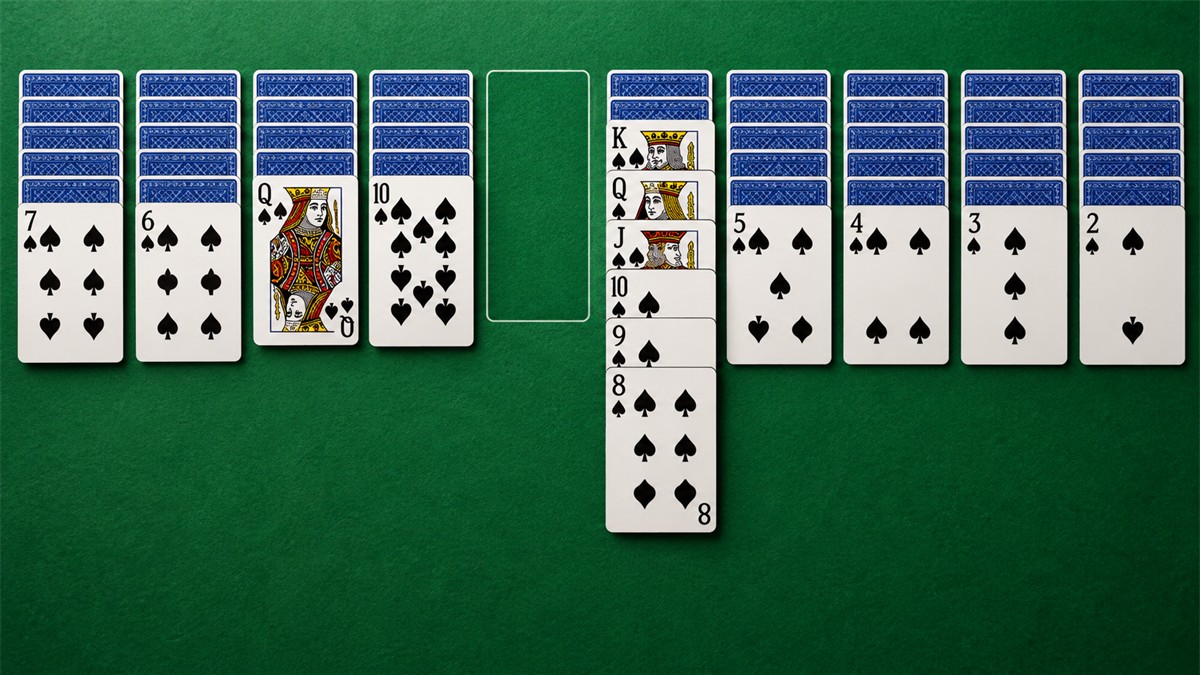
The computer version made one old card-table idea easier to see: space has value before it is used.
An empty column can hold a card or a sequence, but filling it immediately may waste the only place available for a larger repair. Before moving a king or mixed stack into the gap, ask what the move reveals. Does it lift a buried card? Does it let you separate two suits? Does it create a same-suit run that can be moved as one piece later?
If the answer is no, wait. A legal parking move can still be a poor deal with the future.
The same rule applies before dealing from the stock. Scan the columns first. Look for one hidden card that can be exposed, one mixed stack that can be cleaned, or one empty space that needs to remain open. A new row adds cards to every column, so it should arrive after the board has taken the best information already available.
What the digital version teaches today's player
Spider Solitaire history ends in a useful place for anyone playing online: the screen is not only a faster card table. It is a way to compare decisions.
On an easy deal, watch how often you build same-suit runs before clearing them. On a two-suit deal, notice which mixed stacks keep getting in the way. On four suits, stop measuring progress by the number of cards you moved. Count the hidden cards you exposed and the flexible spaces you preserved.
You can try a quiet one-suit start through the [Solitaire games on Easy Daily Puzzle](https://easydailypuzzle.com/?s=solitaire), then return to the [Easy Daily Puzzle game library](https://easydailypuzzle.com/) when you want to change the pace.
Spider works because the rules leave room for a small argument with yourself. One move opens a card. Another move protects a column. A third looks tidy but closes the road. The best choice depends on what the next deal needs, not just on what the current tableau allows.
That is why the game still feels good on a modern screen. The cards may arrive instantly, but the useful pause is still yours.